



PPGAS News
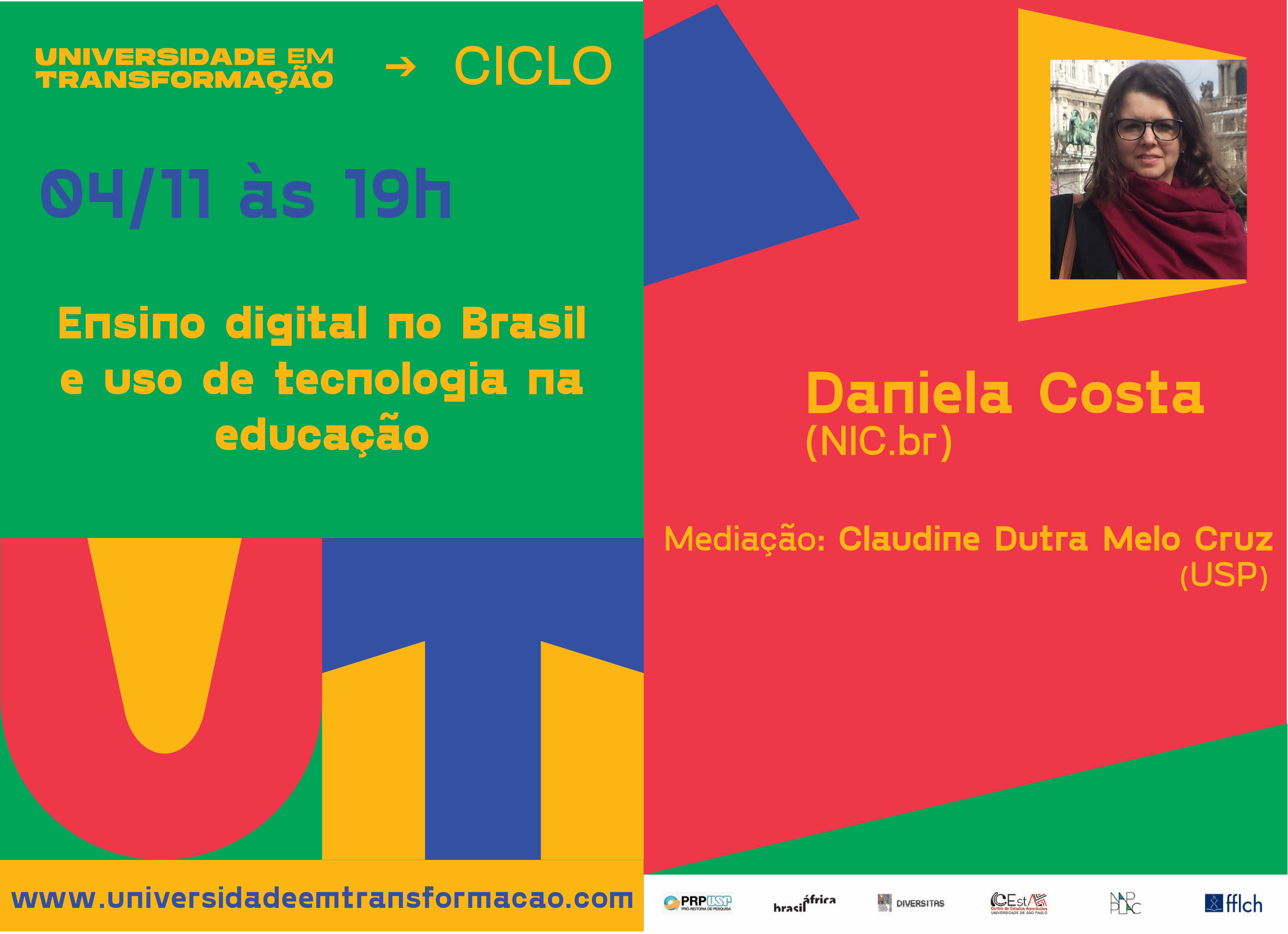
From the occurrence of the pandemic COVID-19, with the interruption of face-to-face classes and the implementation of remote teaching strategies, especially mediated by digital technologies, the dissemination of the debate around the qualitative and equitable realization of the right to education in the face of inequalities has grown access and use of networks, devices and media languages. Challenges that became more evident with the intensification of activities mediated by these resources, but that were already revealed a few decades ago by specialists dedicated to the study of educational policies, especially public ones. On the other hand, changes in teaching and learning practices have also led to reflections on the future of education, on the role of school and university institutions, as well as on a possible opening of the educational process for the hybridization of spaces, times and means of knowledge acquisition.
These themes are part of the debate Digital teaching in Brazil and the use of… Read more
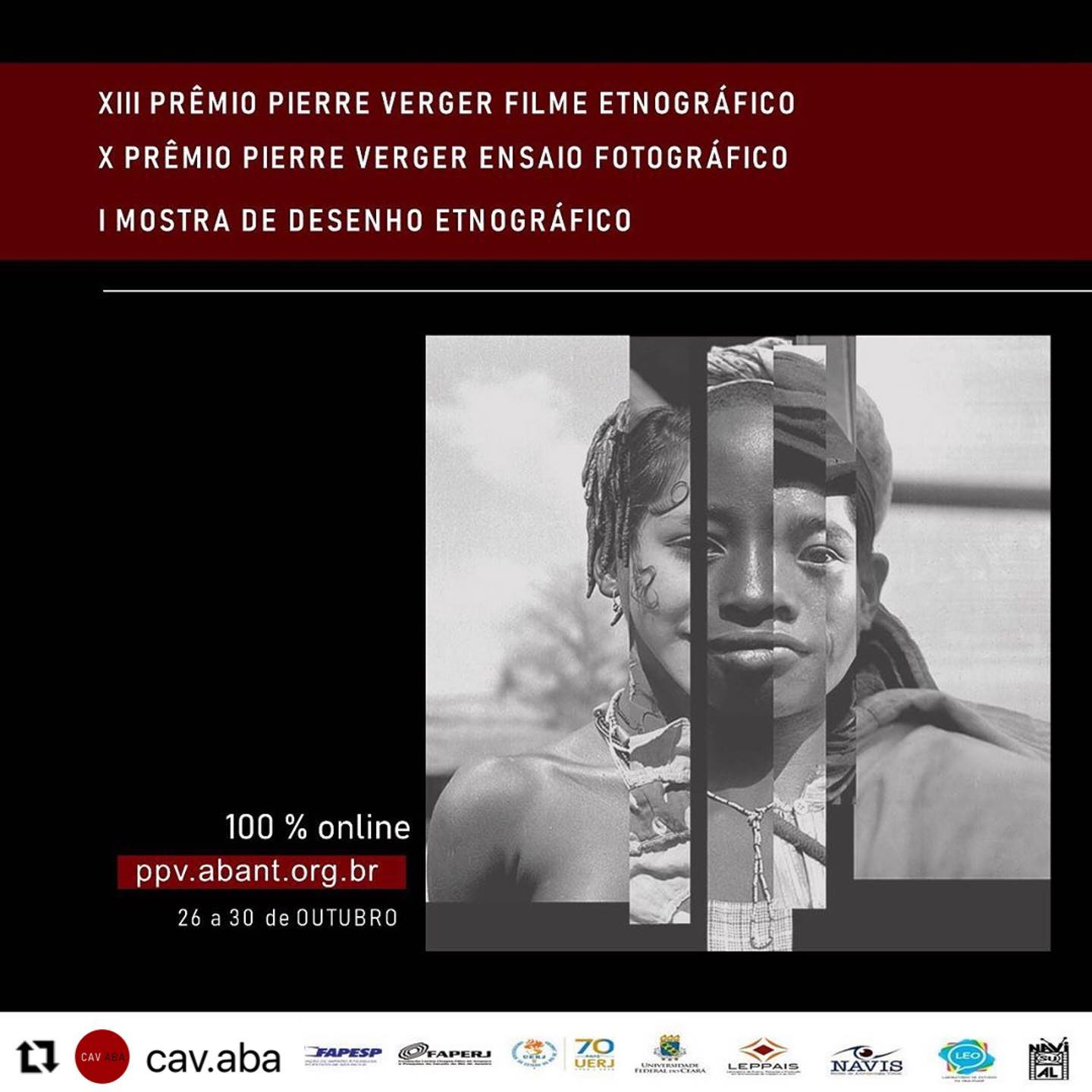
Three films produced with the support of LISA are competing for the Pierre Verger Award at ABA this year, between October 26th and 30th!
Are they:
Ãjãí. The head game of Myky and Manoki by André Lopes and Typju Myky - Check out the Trailer!
New York, another city by André Lopes and Joana Brandão - Check out the Trailer!
Woya Hayi Mawe - Where are you going? by Rose Satiko G. Hikiji and Jasper Chalcraft - Check out the Trailer!
The Pierre Verger Award (PPV) for ethnographic films, from the Brazilian Association of Anthropology (ABA) and the Visual Anthropology Committee (CAV), was created in 1996 and now, in 2020, celebrates its 24th anniversary. The inclusion of the award for photo-ethnographic essays appeared a few… Read more
Are they:
Ãjãí. The head game of Myky and Manoki by André Lopes and Typju Myky - Check out the Trailer!
New York, another city by André Lopes and Joana Brandão - Check out the Trailer!
Woya Hayi Mawe - Where are you going? by Rose Satiko G. Hikiji and Jasper Chalcraft - Check out the Trailer!
The Pierre Verger Award (PPV) for ethnographic films, from the Brazilian Association of Anthropology (ABA) and the Visual Anthropology Committee (CAV), was created in 1996 and now, in 2020, celebrates its 24th anniversary. The inclusion of the award for photo-ethnographic essays appeared a few… Read more
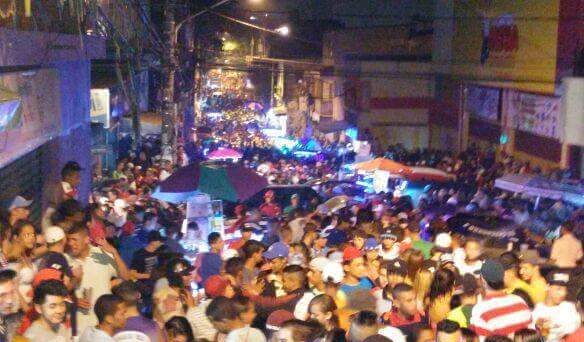
The journal Folha de São Paulo published, in January 2020, a report signed by the PPGAS'researcher Meno del Picchia, together with journalist Nina Rahe about the presence of funk in the city's celebrations after the 2019 tragedy that led to death of 9 innocent youths by the police.
The research sought to understand funk in São Paulo in the light of music anthropology, in particular, based on the concept of music by the New Zealander Christopher Small. Musicking funk is not the same as funk music. Music is the sound object, the recording, the phonogram. The musicking talks about all kinds of engagement observed in a specific sound-musical manifestation, and about all the actors involved (in the case of the funk flow, for example, from the bar owners selling drinks, to the powerful sound systems that young people take on the backs of cars.… Read more
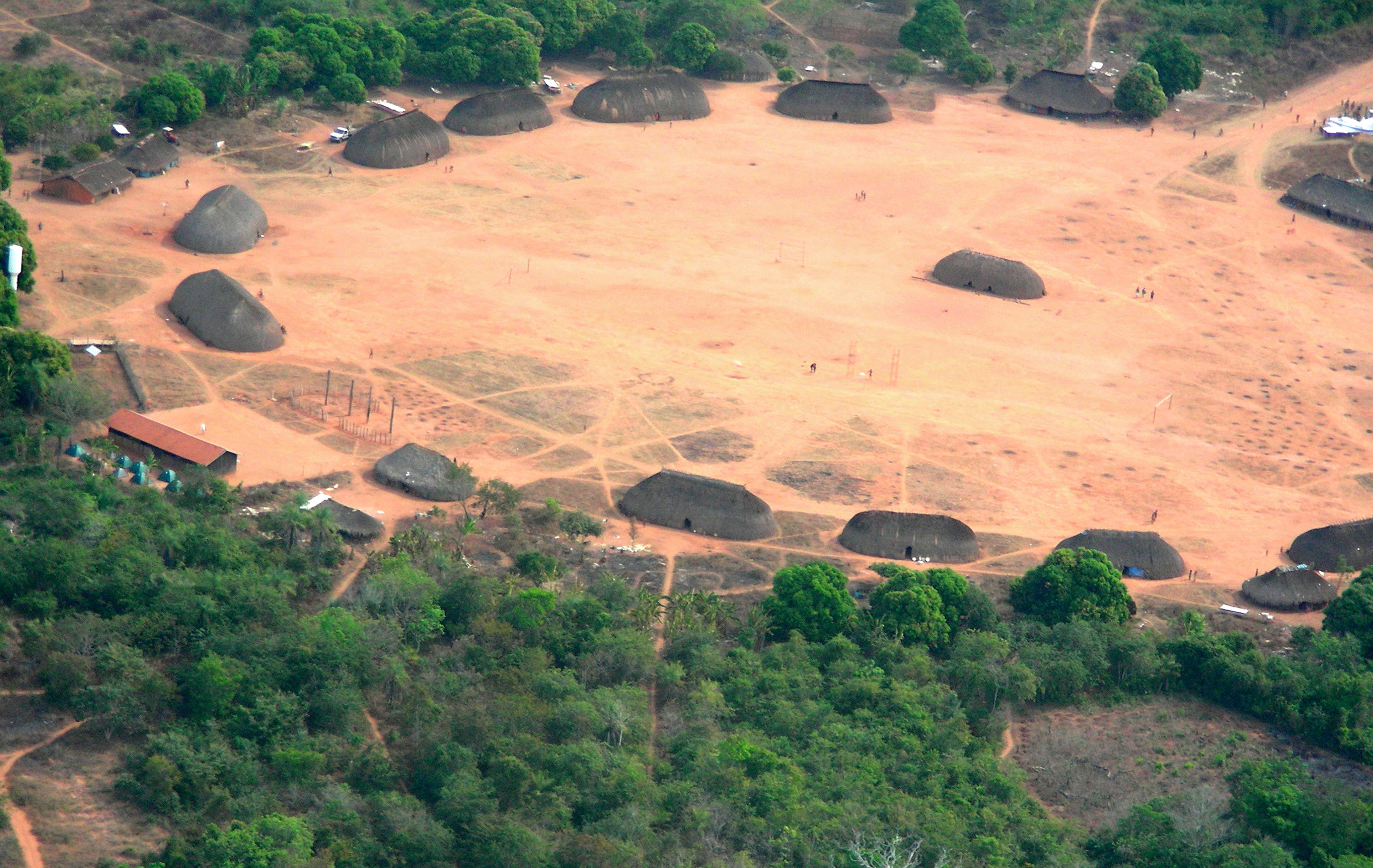
The research that is still in progress, guided by Professor Ana Cláudia Marques, came out in the nexus Journal, which deals with a conflict involving the overlap of a national park and an ecological station over traditionally occupied territories in the middle courses of the Xingu and Iriri rivers, state of Pará. especially with families that identify themselves as borders, focusing on the connections between territoriality and forms of resistance within the framework of this conflict. The research is done by researcher Natalia Guerrero.
To access the full article click here.
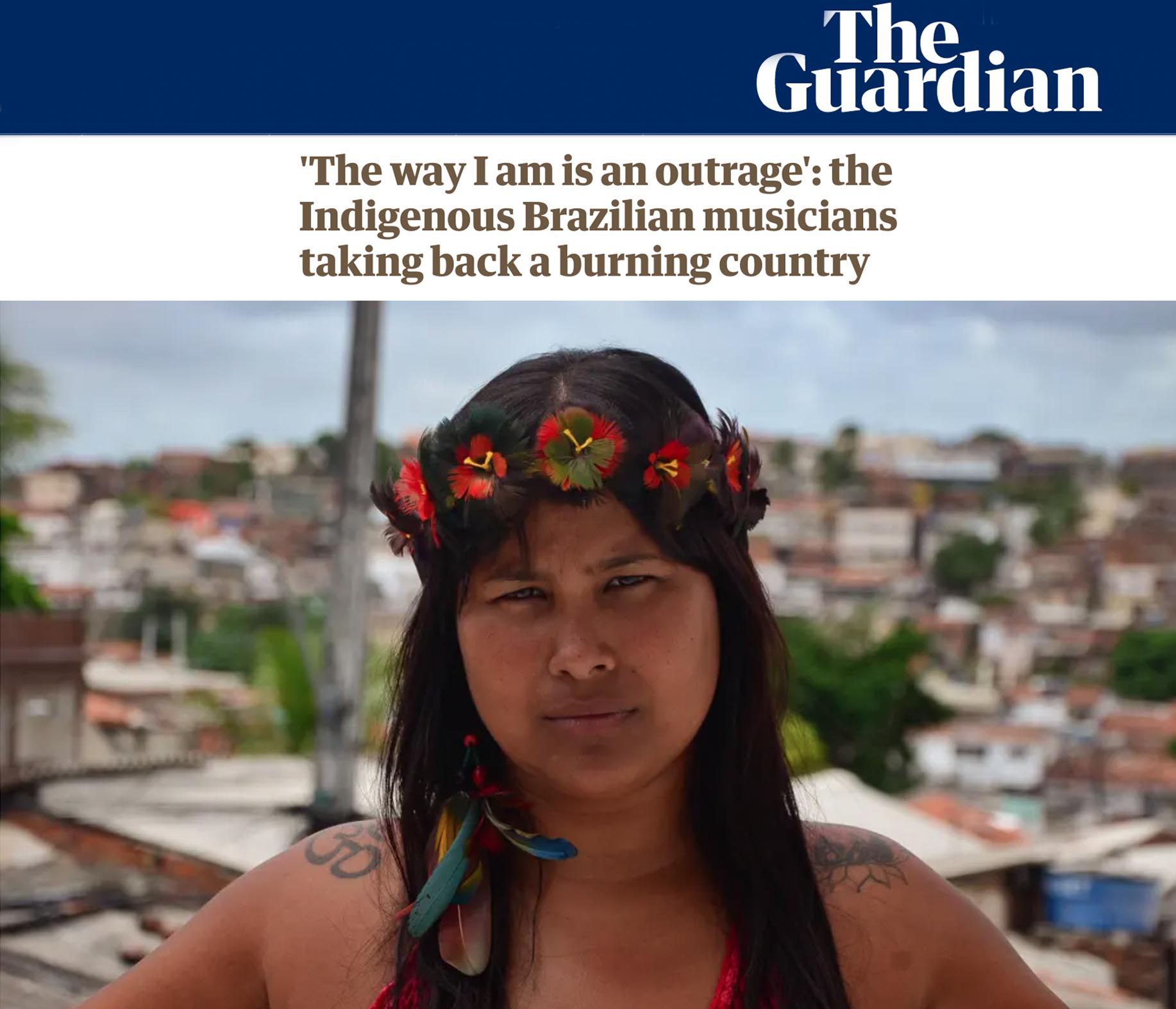
The English newspaper "The Guardian" recently published an article on indigenous resistance to music, which has an interview by Klaus Wernet, a doctor from PPGAS-USP, who wrote his thesis on contemporary Guarani music.
Check out the article on The Guardian's website!
https://www.theguardian.com/
Mobilization of CEstA-USP against the genocide of indigenous peoples in the pandemic of the new coronavirus
In dozens of villages in the Indigenous Lands and indigenous neighborhoods in Brazilian cities, an increasing number of deaths and cases of illness by covid-19 have been recorded. In a political scenario marked by the State's omission due to the high lethality rate of the disease among indigenous peoples, the indigenous movement and its organizations have been reacting to the situation in a forceful way and calling their partners to joint action.
Responding to this situation, CEstA-USP opens a space for its national and international network of indigenous and non-indigenous researchers and other partners, in order to share reflections, reports and information materials on regional situations and support initiatives. The objective is to monitor and document the development of the pandemic among indigenous peoples, paying attention to violations of rights, given the risk of imminent genocide. We also want to give visibility to local perspectives and solutions… Read more